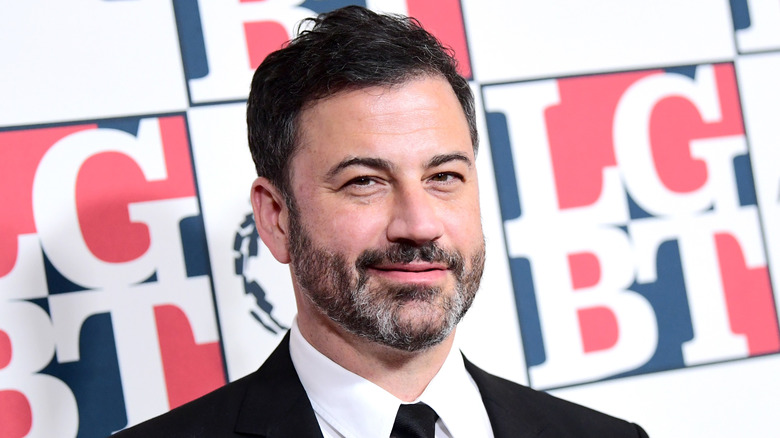
Melania Trump isn’t backing down—and she’s calling out one of television’s most prominent late-night hosts. Following a controversial joke made by Jimmy Kimmel on Jimmy Kimmel Live!, the former First Lady has publicly urged ABC to take a stand, condemning the punchline that targeted grieving widows, a subject with deep personal resonance.
The moment wasn’t just another line in a monologue. It struck a nerve—especially for Melania, who has long maintained a private but dignified presence in public life. Her response signals a rare but calculated intervention into media discourse, one that blends personal conviction with a broader conversation about the limits of humor.
This isn’t just about a punchline. It’s about power, perception, and the responsibility that comes with a national platform.
The Joke That Crossed a Line
During a segment on Jimmy Kimmel Live!, Kimmel launched into a monologue riffing on current events, politics, and pop culture. Midway through, he made a throwaway comment framed as a satirical “dating advice” bit: “If you’re looking for love, maybe try widows. They’re used to disappointment, so your flaws won’t come as a shock.”
Laughter followed—from the studio audience, from the crew. But the joke didn’t land universally.
Critics quickly pointed out its insensitivity, especially toward women who have endured the trauma of losing a spouse. Grief counselors, advocacy groups, and viewers across social media condemned the quip as flippant and cruel. For many, it wasn’t edgy satire—it was a cheap shot at emotional vulnerability.
And for Melania Trump, it hit closer to home.
Though she never publicly addressed her own experience with loss in direct relation to the joke, her response suggests a deeper sense of unease. As someone who has navigated public scrutiny while maintaining a guarded personal life, she likely recognizes how easily trauma can be reduced to punchlines when handed over to mass entertainment.
Melania’s Statement and Its Implications
Melania Trump didn’t issue a fiery press release or a social media meltdown. Instead, her office released a brief but pointed statement:
“The suggestion that widows are easy targets for jokes because they are ‘used to disappointment’ is both demeaning and deeply disrespectful. ABC has a responsibility to uphold standards of decency. They should take a stand.”
No mention of Trump politics. No attacks on Kimmel’s character. Just a clear, moral objection.
This kind of restraint is strategic. Melania has spent years cultivating an image of grace under pressure. By framing her objection as one of principle—rather than personal grievance—she positions herself not as a reactive figure, but as a voice for dignity in a culture increasingly numb to offense.
Still, the statement carried weight.
It wasn’t just a rebuke; it was a challenge to ABC, a major broadcast network, to exercise editorial responsibility. Networks often hide behind the “it’s just comedy” defense, but Melania’s push suggests that networks also set cultural tone—especially when their hosts reach millions every night.
Why This Moment Resonates Beyond the Joke
The backlash isn’t just about one joke. It’s about a pattern.
Late-night comedy has long walked the line between satire and cruelty. From David Letterman’s infamous "Top Ten Lists" to Bill Maher’s political barbs, the genre thrives on discomfort. But in recent years, that line has blurred.
Critics argue that what once passed as “pushing boundaries” now often feels like punching down—targeting marginalized groups, grieving individuals, or private citizens caught in public tragedies.

Kimmel’s joke fits that trend: it used a vulnerable identity (widows) as a setup for a lazy punchline. There was no political critique, no systemic commentary—just a quick laugh at someone else’s pain.
And in a post-pandemic world, where millions have experienced loss, that kind of humor feels tone-deaf.
For Melania, this isn’t just about defending a group. It’s about reclaiming agency over narratives that reduce human pain to comedic fodder. As a former model who endured relentless media scrutiny, she knows how easily public figures are caricatured. Her call for accountability reflects a broader demand: that entertainment industries consider the real-world impact of their content.
ABC’s Response—Or Lack Thereof
As of now, ABC has not issued any formal statement regarding the controversy.
No disciplinary action. No public apology. No commentary from network executives or producers.
That silence speaks volumes.
Broadcast networks often move cautiously when their talent is criticized, especially when the host is a ratings draw. Kimmel has hosted late-night television for over two decades and remains a flagship presence for ABC. Taking action against him—especially for a single joke—could set a precedent they’re not ready to face.
But that inaction also fuels the fire.
By not responding, ABC implicitly endorses the content aired under its banner. It signals that as long as the audience laughs and the ratings hold, there are no real consequences.
Melania’s call, then, becomes more than a personal grievance—it’s a test of institutional ethics. Will ABC uphold standards of decency when it’s inconvenient? Or will it continue to let its biggest stars operate with impunity?
The Fine Line Between Satire and Insensitivity
Comedy has always been a tool for social critique. From Jonathan Swift’s A Modest Proposal to modern-day shows like The Daily Show, satire has challenged power, exposed hypocrisy, and forced uncomfortable conversations.
But satire requires intent and intelligence.
A joke that mocks a grieving widow—without context, without critique, without purpose—isn’t satire. It’s cruelty disguised as wit.
Consider the difference:
- Effective satire: “Politicians promise to support military families—then cut veterans’ benefits. Guess love of country only goes so far.”
- This targets systemic hypocrisy, not individual grief.
- Cruel punchline: “Widows are used to disappointment, so your flaws won’t come as a shock.”
- This reduces personal trauma to a dating hack.
The first holds power accountable. The second exploits vulnerability for a laugh.
Melania’s objection highlights this distinction. She’s not calling for censorship—she’s calling for responsibility. There’s a difference between holding leaders to account and mocking those who’ve already suffered.
Public Reaction: A Divided Audience
As expected, public reaction has been polarized.
Supporters of Melania applaud her for speaking up. “Finally, someone with a platform says it’s not okay to make fun of loss,” wrote one Twitter user. Others note that she could have stayed silent but chose to defend a marginalized experience—one that doesn’t often have a voice in entertainment circles.
On the other side, critics accuse her of overreacting. “It’s a joke,” one commentator said. “Maybe she should lighten up.” Some went further, suggesting her objection was politically motivated or a calculated move to stay relevant.
But the intensity of the response in both directions reveals something deeper: society is struggling to define the boundaries of acceptable humor.
When does comedy become harmful? Who gets to decide? And should public figures—especially those with lived experience—have a greater say in these conversations?
Melania’s intervention forces us to confront these questions, even if we don’t agree with her answer.
What This Means for Late-Night Television

This controversy isn’t an isolated incident. It’s part of a larger reckoning in entertainment.
From Shane Gillis’s brief SNL departure to Hasan Minhaj facing backlash over storytelling accuracy, the culture around comedy is shifting. Audiences are more aware, more critical, and less willing to accept “it’s just a joke” as a defense.
Networks are feeling the pressure.
Late-night shows, once seen as harmless entertainment, are now scrutinized for their social impact. Jokes that might have flown 10 or 15 years ago now trend on social media for all the wrong reasons.
Melania’s call to ABC could signal a turning point.
If the network continues to ignore the backlash, it risks alienating viewers who value empathy over edginess. But if it responds—by issuing a statement, moderating future content, or even speaking privately with Kimmel—it could set a precedent for accountability without censorship.
Either way, the conversation has changed.
A Stand for Dignity—Not Just a Reaction
Melania Trump’s response isn’t about revenge or political point-scoring. It’s about dignity.
She didn’t demand Kimmel be fired. She didn’t launch a legal battle. She simply asked ABC to consider its role in shaping cultural norms.
That’s a subtle but powerful move.
By urging the network to “take a stand,” she shifts the focus from individual blame to institutional responsibility. It’s a mature, measured approach—one that avoids spectacle but insists on respect.
In a media landscape dominated by outrage, Melania’s restraint stands out. She didn’t need to scream to be heard. Her message was clear: some things shouldn’t be joked about. And networks that broadcast those jokes share in the responsibility.
The Path Forward: Accountability Without Censorship
So where does this leave us?
Comedy shouldn’t be stripped of its edge. But it also shouldn’t weaponize grief.
The solution isn’t to silence voices like Kimmel’s—it’s to encourage better judgment. Writers’ rooms should include sensitivity readers. Networks should establish clearer content guidelines. And hosts should remember that their platform comes with influence.
Melania’s intervention isn’t the end of the story. It’s the beginning of a necessary conversation.
ABC has a choice: continue operating as if ratings justify all content, or recognize that with great reach comes great responsibility.
And for the rest of us, it’s a reminder: laughter shouldn’t come at the expense of someone else’s pain.
Act now: If you believe media should uphold ethical standards, contact ABC executives. Share your views—not just as viewers, but as citizens who care about the culture we’re building.
FAQ Why did Melania Trump speak out about Jimmy Kimmel’s joke? She called the joke demeaning to widows and urged ABC to uphold standards of decency, emphasizing respect for those who’ve experienced loss.
Did Jimmy Kimmel apologize for the joke? As of now, Kimmel has not issued a public apology or addressed the controversy directly.
What was the exact joke that caused the backlash? Kimmel joked, “If you’re looking for love, maybe try widows. They’re used to disappointment, so your flaws won’t come as a shock.”
Has ABC responded to Melania Trump’s statement? No, ABC has not released any official response to the controversy or Melania’s request.
Is Melania Trump known for speaking out on media issues? Generally no—she’s maintained a low public profile. This makes her statement particularly notable.
Could this affect Jimmy Kimmel’s show? It’s uncertain, but sustained backlash could pressure ABC to moderate content or address audience concerns.
What’s the larger issue at play here? The debate centers on the ethics of comedy—where to draw the line between satire and insensitivity, especially on national platforms.
FAQ
What should you look for in Melania Trump Slams ABC Over Jimmy Kimmel Widow Joke? Focus on relevance, practical value, and how well the solution matches real user intent.
Is Melania Trump Slams ABC Over Jimmy Kimmel Widow Joke suitable for beginners? That depends on the workflow, but a clear step-by-step approach usually makes it easier to start.
How do you compare options around Melania Trump Slams ABC Over Jimmy Kimmel Widow Joke? Compare features, trust signals, limitations, pricing, and ease of implementation.
What mistakes should you avoid? Avoid generic choices, weak validation, and decisions based only on marketing claims.
What is the next best step? Shortlist the most relevant options, validate them quickly, and refine from real-world results.